


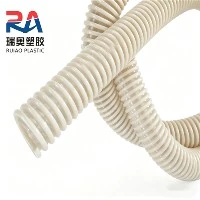
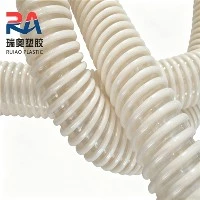
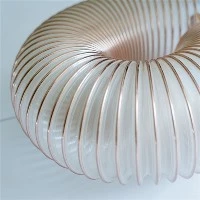

PU Plastic Reinforced Hose itself is not susceptible to bacterial growth. Its material properties and internal structure grant it favorable anti‑bacterial performance, making it one of the clean‑option hose products. Bacterial proliferation rarely occurs under normal use. Only under special circumstances of heavy contamination and poor maintenance can limited bacterial attachment and reproduction take place. In terms of material‑structure features, this hose adopts integrally‑molded high‑density polyurethane. Its inner surface is extremely smooth and flat, free of capillary pores, concave‑convex dead corners and splicing gaps, which constitutes its core advantage against bacterial growth. Conventional rubber hoses and braided hoses boast rough and porous inner walls that easily trap dust, water and residues, creating breeding grounds for bacteria, mold and micro‑organisms. By contrast, the compact smooth inner wall of PU Plastic Reinforced Hose cannot anchor bacterial colonies. Most impurities and water will be discharged directly along with flowing media without residual accumulation.
Furthermore, PU materials are chemically stable, non‑water‑absorbent and non‑hygroscopic. The whole pipe wall is hermetically sealed without air‑permeable pores, so it will not absorb moisture or micro‑organisms from ambient air. When stored dry or used to convey clean media, the interior stays dry and clean with zero prerequisites for bacterial reproduction. Even when briefly transporting plain water or dry materials, no mold or bacterial growth will occur without internal residual contaminants. It fits application scenarios with basic cleanliness requirements. However, this does not mean the hose can operate without any cleaning maintenance. Bacterial growth is mainly caused by residual pollutants and confined humid environments instead of the hose material itself.
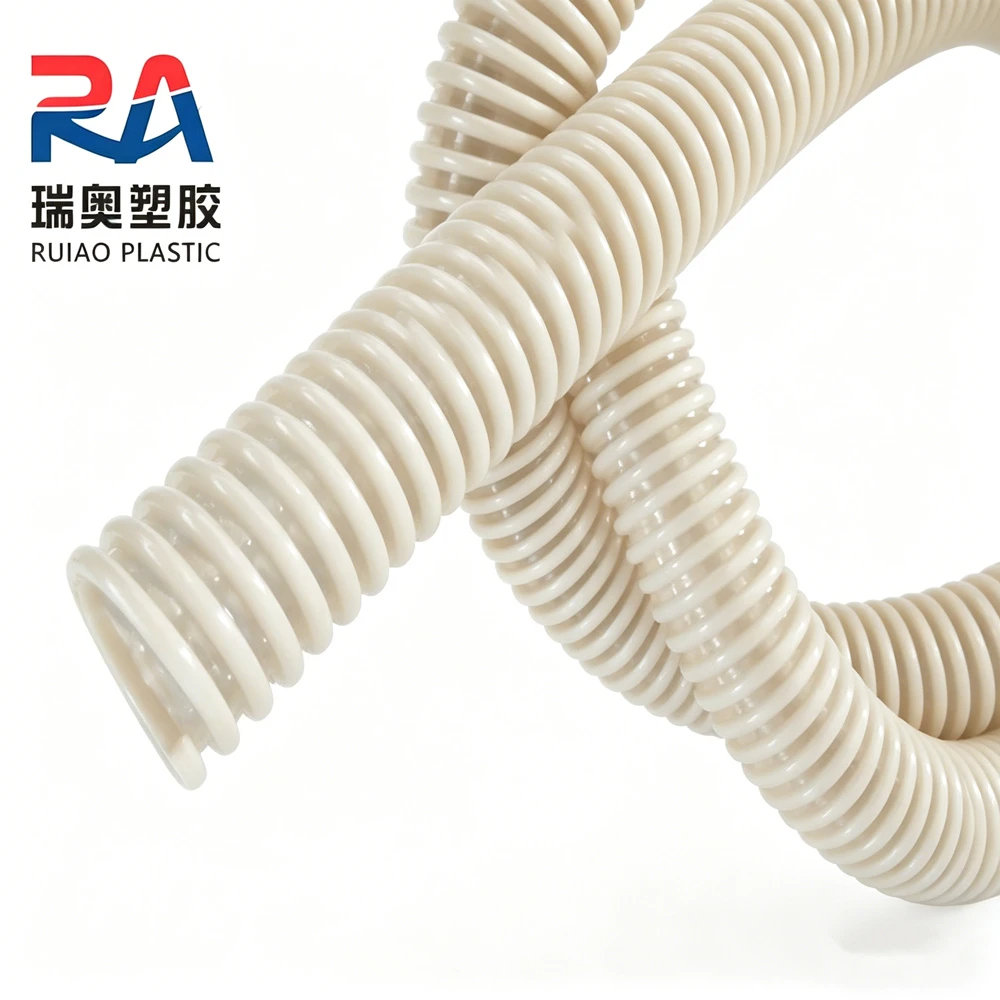
When wastewater, impurity‑laden slurry, damp dust or food residues are conveyed for extended durations without post‑use disposal, residual water, sediments and viscous dirt will accumulate inside the hose. Under confined, humid and ambient‑temperature conditions, these residues rapidly become reproduction carriers for bacteria, mold and micro‑organisms. Long‑term accumulation will trigger internal mold growth, odd odors and bacterial proliferation. In addition, long‑term idle storage with undrained residual water and poor internal ventilation may also cause minor bacterial and mold development and compromise subsequent cleanliness.
It takes only simple maintenance operations to thoroughly stop bacterial growth, without complicated procedures. After transporting wet or impurity‑containing media, flush the interior with clean water in time and drain all residual water and sediments to keep inner surfaces dry and clean. Thoroughly clean and air‑dry the hose before long‑term storage, and seal pipe ends against dust and moisture ingress. For high‑frequency usage with strict cleanliness requirements, gentle detergent flushing and disinfection can be implemented periodically. In general, PU Plastic Reinforced Hose delivers favorable inherent anti‑bacterial properties. Bacterial growth is solely induced by improper usage and maintenance. Basic cleaning and draining will maintain permanent internal cleanness free of bacterial risks for most industrial and civil delivery scenarios.