


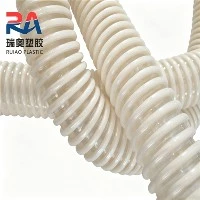
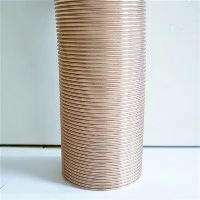


Pu Plastic Reinforced Spiral Hose offers flexibility in industrial conveying, dust collection, and equipment connection applications. However, to support stable operation and reduce unnecessary damage, users should pay attention to media selection, installation methods, operating procedures, cleaning, and storage.
First, confirm that the conveyed medium is suitable for the hose. Different media have different physical and chemical properties. For example, particle hardness, dust abrasiveness, and the chemical composition of liquids can affect the condition of the hose wall. When selecting a hose, users should evaluate material compatibility based on the actual medium. For corrosive substances, high-temperature media, or other materials with special characteristics, suitability should be confirmed rather than judged solely by the hose's appearance or name.
Second, avoid excessive bending and twisting during installation. Although Pu Plastic Reinforced Spiral Hose is flexible, forcing it into sharp bends, twisting it, or compressing it may narrow the internal passage, affect material flow, and increase localized stress. During installation, use a smooth pipeline route, avoid sharp bends, and ensure that connections to equipment are properly aligned and stable.

Third, minimize unnecessary external damage. During equipment operation or manual handling, the hose may rub against the ground, machinery, or other objects. Repeated dragging, impacts, or contact with sharp edges can cause scratches, wear, or even rupture. Avoid direct contact with sharp objects whenever possible. If necessary, adjust the pipeline layout to reduce friction between the hose and surrounding equipment.
Fourth, ensure that the pipeline remains clear during operation. When Pu Plastic Reinforced Spiral Hose is used to convey granular materials or dust, users should watch for blockages, material buildup, or abnormal conveying performance. If an issue occurs, stop the relevant operation and inspect the pipeline according to the equipment's operating procedures. Do not dismantle the hose while the equipment is running or while hazardous pressure or suction conditions remain, as this could cause material discharge or other safety risks.
Fifth, pay attention to the working environment and operating conditions. Hose performance may be affected by temperature, external pressure, contact with different media, and operating methods. Follow the product's intended operating conditions and avoid prolonged exposure to unsuitable high temperatures. Do not subject the hose to pressure, loads, or compression beyond its capacity. If working conditions change significantly, reassess whether the hose remains suitable.
Sixth, inspect the hose regularly. During inspections, check for cracks, punctures, obvious wear, abnormal deformation, and damage to the spiral reinforcement. Also check whether the connections remain secure. If abnormalities are found, stop using the hose and assess its condition to prevent minor problems from developing into leaks, blockages, or hose failure.
Finally, clean the hose appropriately after use. Depending on the conveyed medium, suitable cleaning methods should be used to prevent residue from accumulating inside the hose. Choose cleaning methods that are compatible with the hose material and avoid detergents or tools that may cause damage. After cleaning, place the hose in a dry, clean location where it will not be compressed, exposed to sharp objects, or subjected to unnecessary mechanical loads.
In conclusion, proper product selection, correct installation, standardized operation, and regular inspection are essential for maintaining Pu Plastic Reinforced Spiral Hose in good working condition. Appropriate maintenance measures based on the actual application can help reduce operating risks and preserve the hose's performance.