


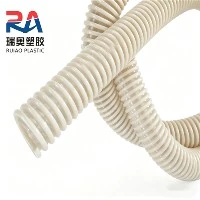
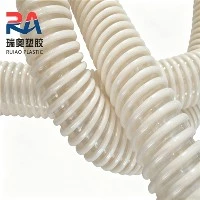
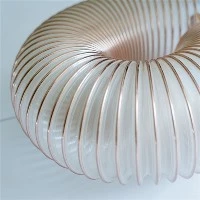

Storage methods for PU Tube directly affect its appearance, flexibility, performance and service life. Proper storage prevents premature aging, deformation, discoloration and performance degradation caused by improper handling. Although PU Tube is flexible and durable, it has specific requirements for light exposure, temperature, external force and surrounding storage environments. Mastering basic storage guidelines greatly improves the integrity of stored tubes and supports long-term stockpiling and idle storage.
First comes environmental control, the core priority for PU Tube storage. PU Tube must not stay outdoors for extended periods and must be kept away from long-term direct sunlight and ultraviolet radiation. UV rays accelerate aging of polyurethane materials, resulting in yellowing, embrittlement and reduced flexibility on tube surfaces. Tubes are prone to cracking and poor recovery after such aging. Keep PU Tube away from rain, low-lying damp areas and closed poorly ventilated spaces. Persistent humid and enclosed surroundings allow dust to attach to tube surfaces and form deposits that affect appearance. Dry and ventilated indoor spaces at room temperature form the optimal storage location.
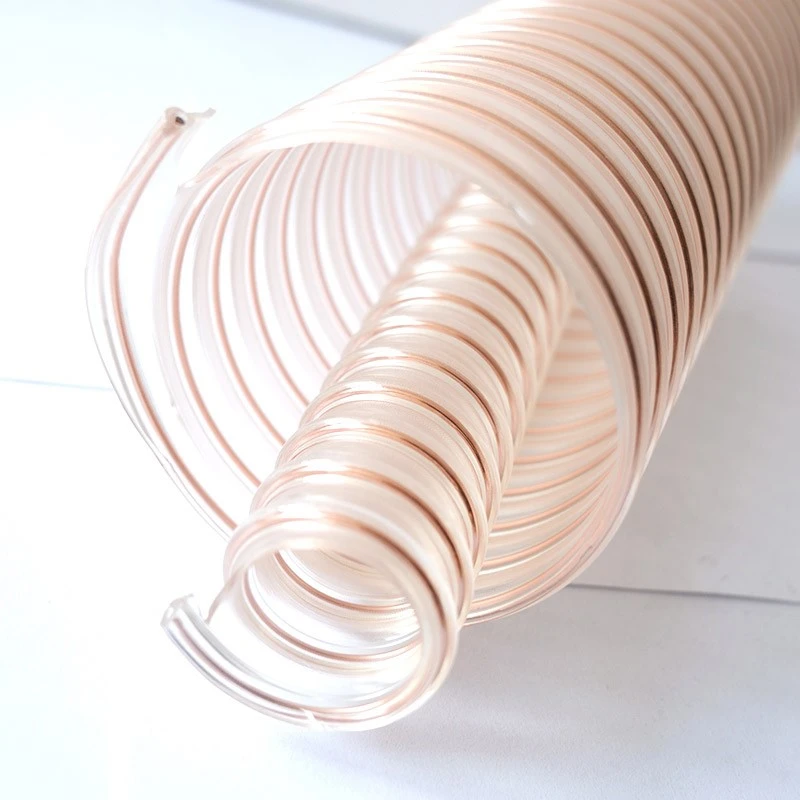
Second is control of temperature and nearby items. PU Tube is suitable for storage at normal room temperature. It must be kept away from boilers, heaters, high-temperature machinery and other heat sources. High-temperature exposure softens and deforms PU Tube and may cause sticking between tube surfaces, triggering early material aging. Do not store strong acids, strong alkalis, organic solvents or corrosive chemicals near PU Tube. Volatile gas or residual substances from these products may slightly erode tube surfaces, destabilize the PU material and impair later use.
Third is correct stacking and placement. Coiled or bundled PU Tube must be laid flat and stacked neatly. Stack height should not be excessive. Heavy continuous load on bottom tubes creates permanent compression deformation that cannot rebound. Do not stack tubes with random bends, twists or knots. Avoid forcibly winding or pulling tubes, which damages internal structure and reduces flexibility. Cut loose sections of PU Tube should be neatly stored, and both ends should be protected against dust to prevent impurities from entering the tube bore.
Last are maintenance details for long-term storage. For stock tubes stored for several months or longer, complicated maintenance is unnecessary. Simply open windows for regular ventilation to keep the storage area dry and clean, and wipe loose dust from tube surfaces occasionally. Do not place heavy objects on top of PU Tube for long periods. Avoid direct contact between tubes and bare floors. Cushioning boards can separate tubes from ground moisture and dust. Following these storage rules keeps PU Tube flexible, transparent and intact over time. Tubes maintain no deformation, aging or performance loss when taken out for use and can adapt to various application scenarios immediately.