


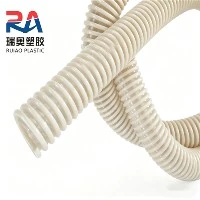
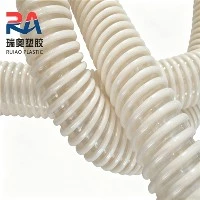
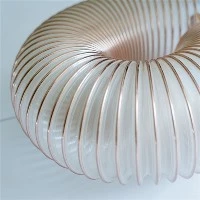

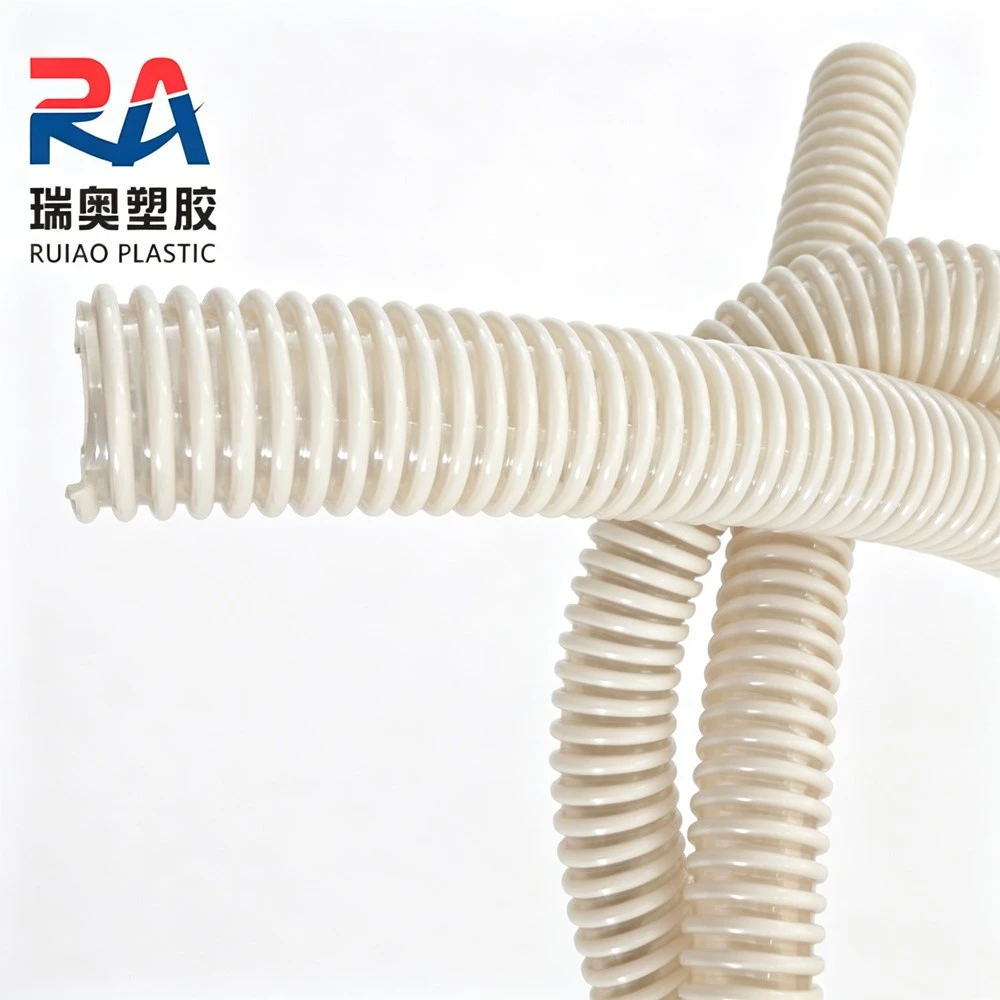
Plastic Reinforced Hose can be used for liquid conveying under suitable conditions, such as conveying water and certain common liquid media. Because Plastic Reinforced Hose offers a certain degree of flexibility, it is convenient for connecting equipment and adjusting the direction of a hose line. It is therefore practical for certain liquid conveying applications. However, whether it is suitable for a specific liquid should still be determined based on the actual operating environment and properties of the liquid.
Before using Plastic Reinforced Hose to convey liquids, first inspect the overall condition of the hose. Check the hose surface for obvious cracks, damage, abnormal deformation, or excessive wear, and inspect both ends for any visible problems. If the hose shows obvious aging or damage, the issue should be addressed before use to reduce the risk of leakage during liquid conveying.
The properties of the liquid are also an important consideration when selecting and using the hose. For common liquids such as water, Plastic Reinforced Hose can generally be used in appropriate conveying applications. If the hose is used to convey a liquid with special properties, suitability should not be determined by appearance alone. The actual working environment, contact time, and condition of the hose after use should also be considered to reduce the risk of abnormalities during long-term operation.
During installation, the hose should be routed smoothly whenever possible. Although Plastic Reinforced Hose is flexible, it should not be forcibly folded or excessively bent simply to fit into a confined space. Excessive bending may restrict the internal passage and affect liquid flow, while also causing certain areas of the hose to remain under excessive stress.
The connection points require particular attention. After the hose is connected to equipment or other piping, the connection should remain stable and secure. Avoid continuous pulling, twisting, or friction at the connection points. If the connection is not secure, leakage may occur during liquid conveying. Before starting normal operation, check that the connections are properly installed and observe them during initial operation for any signs of leakage or other abnormalities.
During operation, the hose should be protected from excessive compression. For example, if the hose is pressed by equipment, heavy objects, or other items, the internal passage may be restricted and liquid flow may become less efficient. For hoses that need to be moved, repeated dragging should also be avoided to reduce friction between the hose and the ground.
If the liquid flow becomes noticeably slower, leakage occurs at a connection, or the hose develops abnormal deformation during operation, the cause should be checked promptly. Pay particular attention to possible bending, blockage, compression, or loose connections. If material remains inside the hose, it may also affect subsequent conveying, so the hose should be cleaned appropriately after use.
For Plastic Reinforced Hose intended for repeated use, the inside of the hose should be checked for residue from the previous application before conveying liquid again. Particular attention is required when switching between different liquids. Internal residue should not be overlooked, as it may affect subsequent use. If necessary, clean the hose properly and make sure the internal condition is suitable before reuse.
Overall, Plastic Reinforced Hose can be used for certain liquid conveying applications, but its suitability and performance depend on the conveying medium, installation method, and routine maintenance. Proper inspection, correct installation, avoidance of excessive bending and compression, and timely cleaning can help maintain the hose in good working condition.