


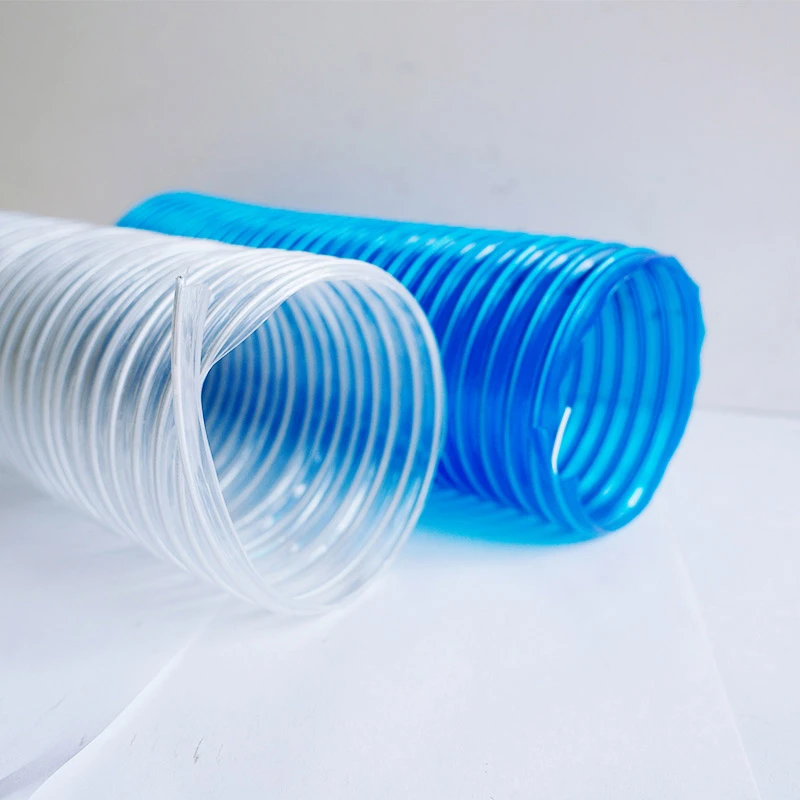

During long-term use, PVC Duct Hose may accumulate sediment, scale, dust, or other residues inside the hose. Its outer surface may also collect dirt, oil stains, and debris. If these contaminants are not removed regularly, they may affect normal operation and potentially cause blockages, surface damage, or material deterioration. Establishing a proper cleaning routine helps maintain the cleanliness and normal fluid transfer performance of PVC Duct Hose.
First, the cleaning method should be selected according to the fluid being transported. For PVC Duct Hose primarily used to convey ordinary clean water, the inside of the hose can be flushed with clean water after use to remove residual sediment and other debris. In agricultural irrigation applications, the hose may accumulate soil particles, plant residues, and other impurities. Regular flushing according to actual usage can help reduce sediment buildup.
Second, attention should be paid to cleaning the outer surface. When PVC Duct Hose is used in agricultural, construction, and industrial environments, its exterior may become covered with mud, dust, and oil stains. Clean water and soft cleaning tools can be used to wipe the surface. For ordinary dirt, gentle cleaning methods are generally sufficient. Avoid using sharp tools to scrape the hose, as this may scratch or damage its outer layer.
Third, cleaning agents that are incompatible with PVC materials should be avoided. Certain strong corrosive cleaners, organic solvents, and other chemical products may affect the material properties of PVC. They may cause softening, hardening, discoloration, or surface deterioration. Before using any cleaning agent, users should confirm that it is compatible with the hose material. For general daily cleaning, clean water is usually sufficient.
Fourth, the internal cleanliness of the hose should also be checked. If PVC Duct Hose is used for transporting liquids containing mud, sand, or other particles, deposits may gradually accumulate inside the hose. In such cases, thorough flushing should be performed when necessary to prevent prolonged debris buildup. If a noticeable blockage is found, sharp metal tools should not be used to forcefully clear it, as this may scratch the inner wall or damage the hose structure.
Fifth, the hose should be handled and stored properly after cleaning. Once flushing is complete, any remaining water should be drained from the hose. It can then be placed in a clean, dry, and well-ventilated area to air-dry naturally. If the hose will be stored for an extended period, avoid leaving water inside it and take measures to prevent dust and other debris from entering the pipeline.
Sixth, cleaning provides a good opportunity to inspect the hose and its connections. Check the hose body for cracks, abrasion, deformation, and signs of aging. The fittings and connection points should also be inspected for accumulated dirt or looseness. If any abnormalities are found, further inspection should be carried out before the hose is returned to service.
Different applications may require different levels of cleaning. For example, agricultural irrigation hoses mainly need to be kept free of mud and plant residues, while industrial fluid transfer hoses require cleaning methods appropriate to the specific fluid. If the hose is used in food-related or drinking water applications, users must confirm that the product is suitable for the intended use and follow appropriate hygiene procedures.
Overall, routine cleaning of PVC Duct Hose is relatively straightforward. The key steps include regular flushing, gentle surface cleaning, avoiding incompatible chemical cleaners, and proper storage. Regular cleaning not only helps maintain smooth fluid flow but also provides an opportunity to identify potential damage at an early stage.