


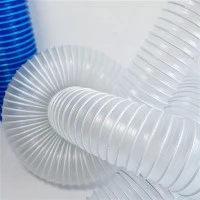


During long-term operation, a Food Grade Steel Wire Hose is exposed to several factors, including internal media transportation, external friction, bending, and environmental changes. Without proper operation and maintenance, problems such as outer layer wear, material aging, hose deformation, and connection damage may occur. Taking appropriate preventive measures helps extend the service life of a Food Grade Steel Wire Hose and maintain its conveying performance.
First, reduce friction between the hose and rough surfaces. In food processing workshops and production facilities, hoses may need to be moved between different pieces of equipment. If a hose is repeatedly dragged across floors, equipment edges, or other rough surfaces, its outer layer may gradually wear down. Therefore, arrange the hose route properly, minimize unnecessary dragging, and avoid prolonged contact with rough surfaces.
Second, prevent the hose from coming into contact with sharp objects. Production facilities may contain metal edges, protruding equipment parts, and other tools that can scratch the hose surface. If the damage becomes more severe, the internal reinforcement structure may also be affected. During equipment installation and production, keep the hose away from sharp edges whenever possible. Appropriate protective measures can be used in areas where contact is difficult to avoid.
Third, avoid excessive bending and twisting. Although a Food Grade Steel Wire Hose offers a certain degree of flexibility, it should not be folded or bent sharply. Excessive bending may create concentrated stress on the hose body and affect the internal steel wire reinforcement and tube walls. Repeated bending at the same position over a long period may also increase the risk of material fatigue. Therefore, arrange the hose within its permitted bending range and maintain natural curves during operation.
Fourth, avoid excessive heat and unsuitable environmental conditions. Different hose materials have different levels of resistance to temperature, sunlight, and chemical substances. Prolonged exposure to temperatures exceeding the product's permitted range may accelerate material aging, causing the hose to become harder or lose its original elasticity. Some materials may also experience surface deterioration after extended exposure to ultraviolet radiation. Therefore, follow the manufacturer's instructions regarding operating conditions and avoid unnecessary exposure to direct sunlight.
Fifth, maintain proper cleaning practices. A Food Grade Steel Wire Hose is primarily used for food media transportation. Internal residues may affect subsequent material transfer and make cleaning more difficult. After each use, clean the hose according to the characteristics of the conveyed medium and the relevant product instructions. Avoid using cleaning agents that are incompatible with the inner tube material, as they may damage the hose wall.
Sixth, minimize unnecessary crushing and pulling. If the hose is subjected to heavy pressure for extended periods, local deformation may occur, potentially affecting its internal structure and conveying performance. When moving equipment, do not pull the equipment directly by the hose, as this may place additional stress on the fittings and damage the connection points.
Finally, pay attention to proper storage. When the hose is not in use, arrange it naturally and avoid forced folding, excessive winding, or pressure from heavy objects. The storage environment should be clean and dry, away from excessive heat and corrosive substances.
In conclusion, reducing wear and aging in a Food Grade Steel Wire Hose requires attention to operating habits, environmental conditions, cleaning practices, and storage management. Proper operation and regular inspections can minimize unnecessary damage and help maintain the hose in good working condition.