


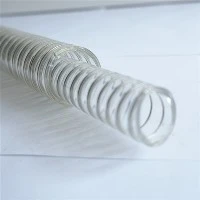
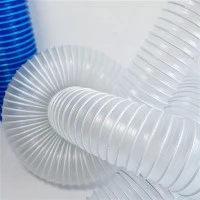


During long-term use, PVC Duct Hose may become harder, lose flexibility, or even become brittle. These problems are generally associated with the material properties, external environmental conditions, and everyday operating practices. A hardened hose can be more difficult to install and handle, while reduced flexibility increases the risk of cracking or damage during bending. Understanding the causes can help users take appropriate preventive measures.
First, natural material aging is an important reason why PVC Duct Hose becomes hard. The flexibility of PVC hose is closely related to its material formulation. Some PVC products contain plasticizers to improve softness and flexibility. Over time, these materials may undergo changes due to aging and environmental exposure, causing the hose to gradually lose its original flexibility. As the material becomes less elastic, the hose may become harder and more difficult to bend.
Second, prolonged exposure to sunlight may accelerate material aging. When PVC Duct Hose is continuously exposed to outdoor conditions, ultraviolet radiation and solar heat can affect the PVC material. UV exposure may cause deterioration in certain PVC formulations, gradually affecting the original properties of the hose surface. As aging progresses, the hose may develop discoloration, hardening, and small surface cracks. For hoses used outdoors for extended periods, users should consider UV resistance and avoid unnecessary prolonged exposure to direct sunlight.

Third, temperature fluctuations can affect hose flexibility. Under high-temperature conditions, certain PVC materials may age more rapidly, affecting their long-term performance. In low-temperature environments, PVC materials generally become stiffer and less flexible. Forcing the hose to bend or stretch under these conditions may increase the risk of cracking. Therefore, sudden bending and excessive stretching should be avoided when using the hose in cold environments.
Fourth, contact with incompatible chemicals may also change the properties of the hose. Different PVC formulations have different levels of chemical resistance. If the hose is exposed to incompatible solvents, cleaning agents, or other chemicals for extended periods, it may experience softening, hardening, swelling, or surface deterioration. Users should confirm the compatibility of the hose material with both the transported fluid and any substances that may come into contact with its exterior.
Fifth, improper operating practices may accelerate hose deterioration. For example, continuously stretching the hose, bending it excessively, or allowing it to rub against sharp objects may cause damage. If PVC Duct Hose remains in an unsuitable installation position for a long time, certain sections may gradually lose their original flexibility and eventually develop cracks.
In addition, the quality of raw materials, material formulation, and manufacturing processes can also influence the long-term performance of PVC Duct Hose. Different products may vary in their ability to retain flexibility, resist environmental exposure, and withstand aging.
To reduce the risk of hardening and brittleness, users should select suitable products according to their operating environments, avoid prolonged exposure to intense sunlight and extreme temperatures, minimize contact with incompatible chemicals, and prevent excessive bending and mechanical friction.
If the hose has become noticeably hard, lost its elasticity, or developed cracks, it should not be forced to bend or continue operating under pressure. Its overall condition should be inspected, and replacement should be considered when necessary to prevent rupture or leakage.
Overall, hardening and brittleness in PVC Duct Hose are generally caused by the combined effects of material aging and environmental exposure. Proper storage, correct operation, and regular inspection can help maintain the hose's normal performance.