


What is the Outer Diameter of a PVC Dust Removal Hose?
As a supplier of high - quality PVC dust removal hoses, I often get asked about the outer diameter of these hoses. The outer diameter is a crucial specification that impacts the hose's compatibility, performance, and application in various dust removal systems. In this blog, I'll delve into what the outer diameter of a PVC dust removal hose is, its significance, and how to choose the right one for your needs.
Understanding the Outer Diameter
The outer diameter (OD) of a PVC dust removal hose refers to the measurement of the hose from one outer edge to the opposite outer edge, passing through the center of the hose. It is typically measured in inches or millimeters. For instance, a common outer diameter for a PVC dust removal hose could be 2 inches (about 50.8 mm), 3 inches (about 76.2 mm), or 4 inches (about 101.6 mm).
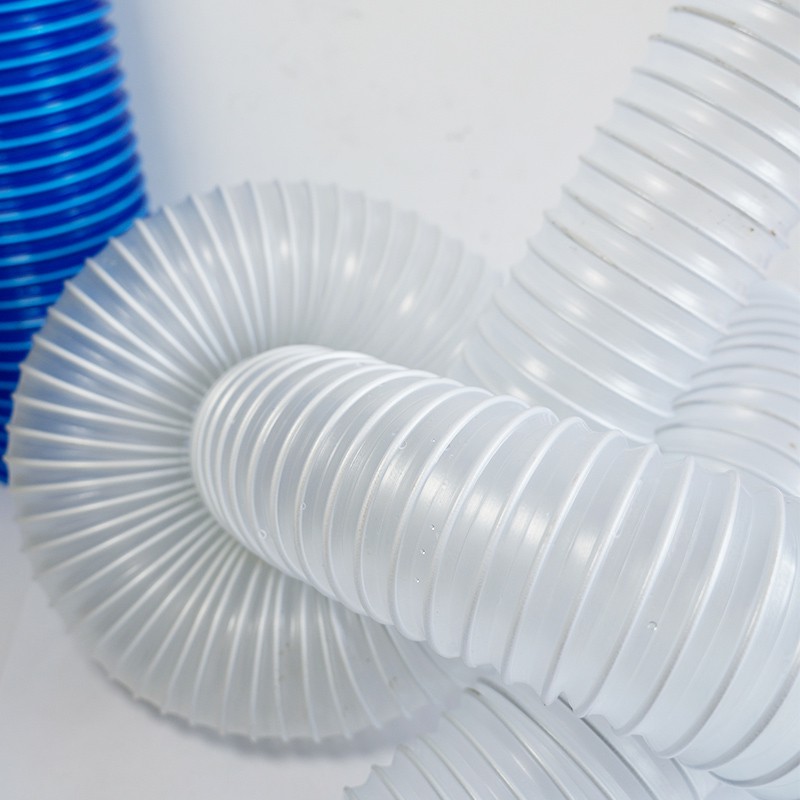

The outer diameter is not the same as the inner diameter (ID). The inner diameter is the measurement of the open space inside the hose, which is where the dust and debris are carried. The difference between the outer and inner diameters is due to the thickness of the hose wall. The wall thickness is designed to provide the necessary strength and durability for the hose to withstand the pressure and abrasion during dust removal operations.
Significance of the Outer Diameter
- Compatibility: The outer diameter of the PVC dust removal hose must match the fittings and connectors in your dust removal system. If the outer diameter is too large, the hose may not fit properly into the connectors, leading to leaks and reduced efficiency. On the other hand, if the outer diameter is too small, the hose may not provide a secure connection, which can also result in air leakage and ineffective dust collection. For example, if you have a dust collector with a specific size of inlet connector, you need to choose a PVC dust removal hose with a compatible outer diameter to ensure a tight and secure fit.
- Airflow and Performance: The outer diameter can influence the airflow within the dust removal system. A larger outer diameter generally allows for a greater volume of air to pass through the hose, which can improve the efficiency of dust collection. However, it's important to note that the airflow is also affected by other factors such as the length of the hose, the smoothness of the inner surface, and the pressure drop across the system. In some cases, a smaller outer diameter hose may be sufficient if the dust removal requirements are relatively low.
- Installation and Space Constraints: The outer diameter of the hose can also impact the installation process and the available space in your facility. A larger outer diameter hose may require more space for routing and installation, which can be a challenge in tight or confined areas. Additionally, the weight of the hose may increase with a larger outer diameter, which can affect the ease of handling and installation.
Common Outer Diameter Sizes
There are several common outer diameter sizes available for PVC dust removal hoses, each suitable for different applications:
- Small - diameter hoses (1 - 2 inches): These hoses are typically used in light - duty dust removal applications, such as in small workshops, home DIY projects, or for collecting dust from handheld power tools. They are relatively flexible and easy to handle, making them ideal for applications where mobility is important. You can find these hoses in our PVC Dust Removal Hose product range.
- Medium - diameter hoses (2 - 4 inches): Medium - diameter hoses are commonly used in medium - duty dust removal systems, such as in larger workshops, industrial kitchens, or for collecting dust from medium - sized machinery. They offer a good balance between airflow capacity and flexibility, and can handle a wider range of dust and debris. Our PVC Dust Collection Hose includes various medium - diameter options.
- Large - diameter hoses (4 inches and above): Large - diameter hoses are designed for heavy - duty dust removal applications, such as in industrial manufacturing plants, foundries, or for collecting dust from large - scale machinery. They can handle high volumes of air and large amounts of dust, but may be less flexible and more difficult to install. Check out our PVC Duct Hose for large - diameter options.
How to Choose the Right Outer Diameter
When choosing the right outer diameter for your PVC dust removal hose, consider the following factors:
- Dust Source and Volume: Determine the type and volume of dust that needs to be collected. If you are dealing with a high - volume dust source, such as a large industrial grinder, a larger outer diameter hose may be required to ensure efficient dust collection. On the other hand, if the dust volume is relatively low, a smaller outer diameter hose may be sufficient.
- System Requirements: Consider the specifications of your dust removal system, including the airflow rate, pressure drop, and the size of the fittings and connectors. Make sure the outer diameter of the hose is compatible with the system to ensure optimal performance.
- Space and Installation Constraints: Evaluate the available space in your facility for hose routing and installation. If space is limited, a smaller outer diameter hose may be a better choice. However, if space is not a concern, a larger outer diameter hose may provide better airflow and performance.
Conclusion
The outer diameter of a PVC dust removal hose is a critical specification that affects its compatibility, performance, and installation. By understanding the significance of the outer diameter and considering the factors mentioned above, you can choose the right hose for your dust removal needs. As a supplier of PVC dust removal hoses, we offer a wide range of outer diameter sizes to meet the diverse requirements of our customers.
If you're interested in learning more about our PVC dust removal hoses or have any questions about choosing the right outer diameter, please don't hesitate to contact us for a detailed discussion and procurement negotiation. We're here to help you find the best solution for your dust removal system.
References
- "Industrial Dust Collection Systems Handbook", John Wiley & Sons, Inc.
- "Fluid Mechanics for Engineers", McGraw - Hill Education.