


Hey there! As a supplier of Transparent PVC hoses, I often get asked about the inner diameter tolerance of these hoses. It's a crucial aspect that can significantly impact the performance and functionality of the hoses in various applications. So, let's dive right into it and explore what inner diameter tolerance is all about when it comes to transparent PVC hoses.
First off, what exactly is inner diameter tolerance? Well, in simple terms, it refers to the acceptable range of variation in the inner diameter of a PVC hose from its specified or nominal size. Every hose has a designated inner diameter that's supposed to meet certain standards for a particular use. But due to the manufacturing process and other factors, it's almost impossible to make every single hose have an exact inner diameter as stated. That's where tolerance comes in. It gives a bit of leeway, a range within which the actual inner diameter can vary while still being considered acceptable.
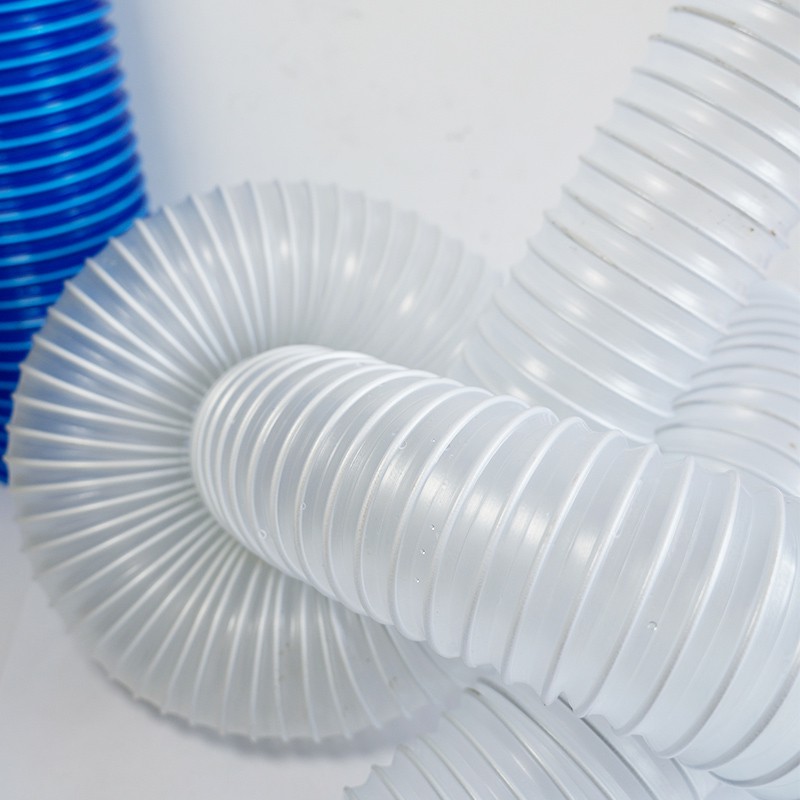

Now, why does inner diameter tolerance matter? It matters a whole lot, especially when it comes to the efficiency and effectiveness of the hose in its intended application. For instance, if you're using a PVC hose for fluid transfer, an incorrect inner diameter can affect the flow rate. A smaller inner diameter than specified might restrict the flow, causing pressure build - up and potentially leading to leaks or even hose failure. On the other hand, a larger inner diameter could result in a lower pressure than required, which might not be sufficient to move the fluid properly.
In the case of applications like ventilation or dust collection, the inner diameter tolerance is equally important. For PVC Dust Collection Hose, the right inner diameter ensures that dust and debris can be efficiently sucked up and transported through the hose. If the inner diameter is off, it can reduce the suction power, leaving dust behind and reducing the overall effectiveness of the dust collection system.
When it comes to manufacturing transparent PVC hoses, there are several factors that can influence the inner diameter tolerance. One of the main factors is the extrusion process. During extrusion, the PVC material is melted and forced through a die to form the hose. The temperature, pressure, and speed of the extrusion process need to be carefully controlled. Any fluctuations in these parameters can cause variations in the inner diameter. For example, if the temperature is too high, the PVC might become more fluid, resulting in a larger inner diameter. Conversely, a lower temperature could make the PVC stiffer and lead to a smaller inner diameter.
The quality of the raw materials also plays a role. Different batches of PVC resin can have slightly different properties, such as viscosity and melt flow index. These differences can affect how the material behaves during extrusion and ultimately impact the inner diameter of the hose. Additionally, the wear and tear on the extrusion equipment over time can lead to changes in the die dimensions, which in turn can affect the inner diameter tolerance.
So, what are the typical inner diameter tolerances for transparent PVC hoses? Well, it can vary depending on the industry standards and the specific requirements of the application. In general, for smaller diameter hoses (say, up to 1 inch), a tolerance of around ±0.01 inches might be acceptable. For larger diameter hoses, say 2 - 6 inches, the tolerance could be in the range of ±0.02 - 0.05 inches. However, these are just rough estimates, and in some high - precision applications, much tighter tolerances might be required.
At our company, we take inner diameter tolerance very seriously. We have a strict quality control system in place to ensure that our transparent PVC hoses meet the specified tolerances. Our quality control team measures the inner diameter of every batch of hoses using precise measuring tools like calipers and micrometers. If a batch fails to meet the tolerance requirements, we take corrective actions, which might include adjusting the extrusion parameters or replacing the worn - out parts of the equipment.
We also understand that different customers have different needs. Some might require hoses with very tight tolerances for high - precision applications, while others might be more flexible in terms of the tolerance as long as the hose functions properly in their specific use. That's why we offer a range of options when it comes to inner diameter tolerance. We can work with our customers to understand their requirements and produce hoses that meet their exact specifications.
If you're in the market for PVC Duct Hose or PVC Dust Removal Hose, it's important to consider the inner diameter tolerance. Make sure to communicate your requirements clearly to your supplier. Ask about their quality control processes and what kind of tolerances they can offer. Don't be afraid to ask for samples so that you can measure the inner diameter yourself and ensure that it meets your needs.
In conclusion, the inner diameter tolerance of transparent PVC hoses is a critical factor that can impact the performance and functionality of the hoses in various applications. Understanding what it is, what factors influence it, and what the typical tolerances are can help you make an informed decision when purchasing these hoses. Whether you're using them for fluid transfer, ventilation, or dust collection, getting the right inner diameter tolerance is essential for the success of your project.
If you're interested in our transparent PVC hoses and want to discuss your specific requirements regarding inner diameter tolerance or any other aspect, feel free to reach out to us. We're always happy to have a chat and see how we can meet your needs. Let's work together to find the perfect PVC hoses for your application.
References:
- General knowledge of PVC hose manufacturing processes
- Industry standards for PVC hoses