


Hey there! As a supplier of PVC duct hoses, I often get asked about the bending radius of these hoses. It's a crucial factor that can significantly impact the performance and longevity of the hoses. So, let's dive right in and explore what the bending radius of PVC duct hoses is all about.
What is the Bending Radius?
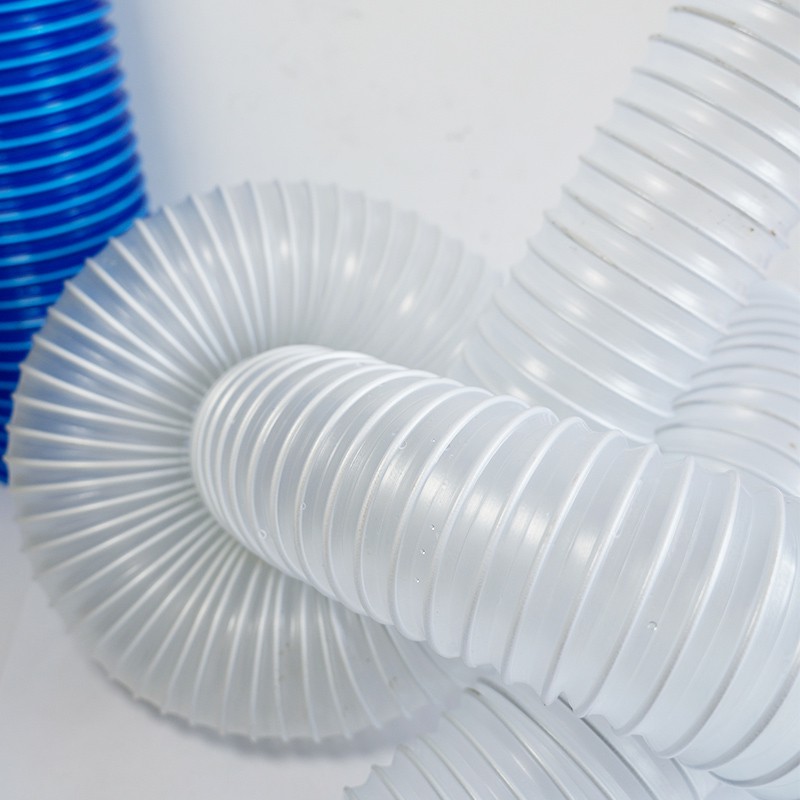
The bending radius of a PVC duct hose refers to the minimum radius that the hose can be bent without causing significant damage or restricting the flow of air, dust, or other substances through it. In simpler terms, it's the tightest curve the hose can make without negatively affecting its functionality.
You might be wondering why the bending radius matters so much. Well, if you bend a PVC duct hose too tightly, it can lead to a few problems. First, it can cause the hose to kink, which restricts the flow of air or materials through it. This can reduce the efficiency of your ventilation or dust collection system, making it less effective at removing pollutants or maintaining proper air circulation.
Second, excessive bending can weaken the structure of the hose over time. The repeated stress on the material can cause it to crack, tear, or become brittle, leading to leaks and a shorter lifespan for the hose. So, understanding and respecting the bending radius is essential for getting the most out of your PVC duct hoses.
Factors Affecting the Bending Radius
Several factors can influence the bending radius of PVC duct hoses. Let's take a look at some of the most important ones:
- Hose Diameter: Generally, larger diameter hoses have a larger bending radius. This is because the material has to stretch more to form a curve, and a larger diameter means more material needs to be bent. For example, a 6-inch diameter PVC duct hose will typically have a larger bending radius than a 2-inch diameter hose.
- Wall Thickness: Thicker-walled hoses tend to have a larger bending radius. The extra material provides more resistance to bending, making it more difficult to form a tight curve without causing damage. So, if you need a hose that can be bent more tightly, you might want to consider a thinner-walled option.
- Reinforcement: Many PVC duct hoses are reinforced with materials like polyester or wire to increase their strength and durability. Reinforced hoses usually have a larger bending radius than non-reinforced ones because the additional material adds stiffness to the hose. However, the type and amount of reinforcement can also affect the bending radius. For example, a hose with a spiral wire reinforcement might have a different bending radius than one with a braided reinforcement.
- Temperature: The temperature of the environment can also impact the bending radius of PVC duct hoses. PVC becomes more flexible at higher temperatures and more rigid at lower temperatures. So, if you're using the hose in a cold environment, you may need to be more careful when bending it to avoid cracking or breaking the material.
Recommended Bending Radii for PVC Duct Hoses
While the specific bending radius of a PVC duct hose can vary depending on the factors mentioned above, there are some general guidelines that you can follow. Most manufacturers recommend a minimum bending radius of 2 to 3 times the diameter of the hose. For example, if you have a 4-inch diameter hose, the minimum bending radius should be between 8 and 12 inches.
However, it's important to note that these are just guidelines, and you should always refer to the manufacturer's specifications for the exact bending radius of the hose you're using. Some hoses may have a smaller or larger bending radius depending on their design and intended use.
Importance of Choosing the Right Bending Radius
Choosing the right bending radius for your PVC duct hoses is crucial for several reasons. Here are some of the key benefits:
- Optimal Performance: By ensuring that the hose is bent within its recommended bending radius, you can maintain the proper flow of air or materials through the system. This helps to maximize the efficiency of your ventilation or dust collection system, ensuring that it works as effectively as possible.
- Longer Lifespan: Avoiding excessive bending and kinking can help to extend the lifespan of your PVC duct hoses. By reducing the stress on the material, you can prevent cracks, tears, and other forms of damage, which means you won't have to replace the hoses as often.
- Cost Savings: Using hoses with the appropriate bending radius can save you money in the long run. By improving the performance and longevity of the hoses, you can reduce energy costs, maintenance expenses, and the need for frequent replacements.
Applications of PVC Duct Hoses and Bending Radius Considerations
PVC duct hoses are used in a wide range of applications, each with its own unique requirements when it comes to bending radius. Let's take a look at some common applications and the bending radius considerations for each:
- Dust Collection Systems: In dust collection systems, PVC duct hoses are used to transport dust and debris from the source to the collection unit. These hoses need to be able to bend around corners and obstacles to reach the collection point. When choosing a hose for a dust collection system, it's important to consider the layout of the system and the amount of bending required. You may need to choose a hose with a smaller bending radius to ensure that it can be routed easily through the system. Check out our PVC Dust Collection Hose for more information.
- Ventilation Systems: PVC duct hoses are also commonly used in ventilation systems to supply fresh air or remove stale air from a building. In ventilation applications, the bending radius of the hose can affect the airflow and pressure within the system. To ensure proper ventilation, it's important to choose a hose with a bending radius that allows for smooth and unrestricted airflow. Our PVC Air Duct Hose is designed to meet the requirements of ventilation systems.
- Industrial Processes: In industrial settings, PVC duct hoses are used for a variety of purposes, such as transporting chemicals, fumes, or particulate matter. These applications often require hoses that can withstand high temperatures, pressures, and chemical exposure. When choosing a hose for an industrial process, it's important to consider the specific requirements of the application and choose a hose with the appropriate bending radius and other specifications. Our PVC Dust Removal Hose is suitable for many industrial dust removal applications.
Tips for Working with PVC Duct Hoses
Here are some tips to help you work with PVC duct hoses and ensure that you're using them within their recommended bending radius:
- Plan Ahead: Before installing a PVC duct hose, take the time to plan the route and layout of the system. This will help you determine the amount of bending required and choose the right hose for the job.
- Use Bends and Elbows: If you need to make a sharp turn or bend in the hose, consider using pre-made bends or elbows. These fittings are designed to provide a smooth and gradual curve, which can help to reduce the stress on the hose and prevent kinking.
- Avoid Overbending: When bending the hose, be careful not to exceed the recommended bending radius. If you need to make a tight bend, try to do it slowly and gradually to avoid damaging the material.
- Support the Hose: To prevent the hose from sagging or kinking, make sure to support it properly along its length. You can use hangers, clamps, or other support devices to keep the hose in place.
- Inspect Regularly: Regularly inspect the PVC duct hoses for signs of damage, such as cracks, tears, or kinks. If you notice any problems, replace the hose immediately to prevent further damage and ensure the safety and efficiency of your system.
Conclusion
In conclusion, the bending radius of PVC duct hoses is an important factor that can significantly impact their performance and lifespan. By understanding the factors that affect the bending radius, following the recommended guidelines, and taking proper care of the hoses, you can ensure that they work effectively and last as long as possible.
If you're in the market for PVC duct hoses, we're here to help. As a leading supplier of high-quality PVC duct hoses, we offer a wide range of products to meet your specific needs. Whether you need a hose for a dust collection system, ventilation system, or industrial process, we have the expertise and products to provide you with the best solution.

If you have any questions or would like to discuss your requirements, please don't hesitate to contact us. We'd be happy to assist you with your purchase and provide you with more information about our PVC duct hoses. Let's work together to find the perfect hose for your application!
References
- "PVC Duct Hose Installation Guide." Manufacturer's Manual.
- "Engineering Principles of PVC Materials." Textbook on PVC material science.
- "Industrial Ventilation and Dust Collection Best Practices." Industry Report.