


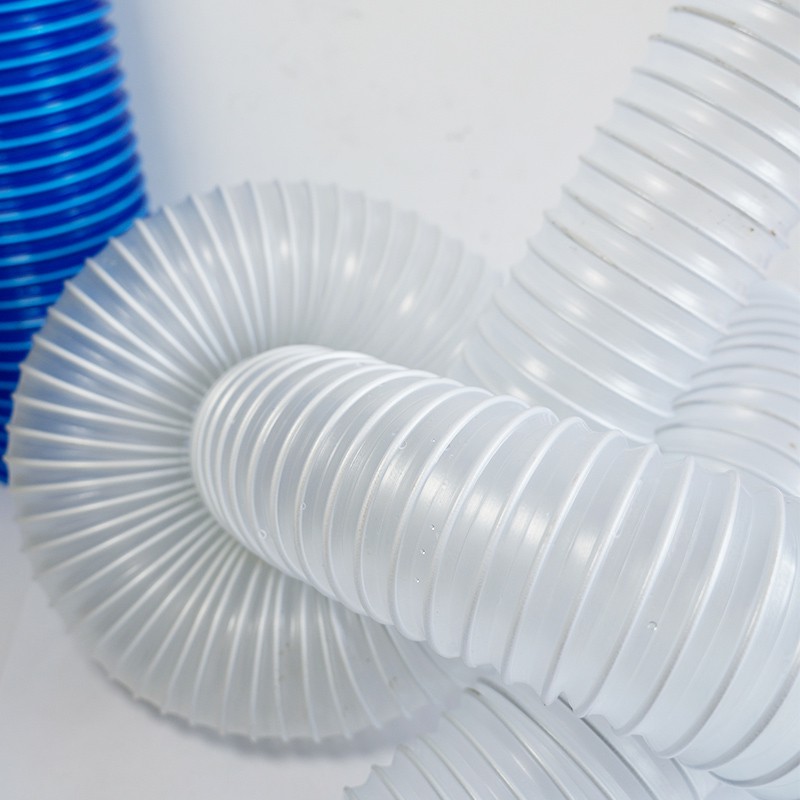
As a supplier of PVC duct hoses, I've witnessed firsthand the widespread use and popularity of these products in various industries. PVC duct hoses are known for their flexibility, affordability, and relatively easy installation, making them a go-to choice for many applications such as ventilation, dust collection, and fume extraction. However, like any product, PVC duct hoses come with their fair share of disadvantages. In this blog post, I'll delve into the drawbacks of PVC duct hoses to provide a comprehensive understanding for potential customers.
1. Limited Temperature Resistance
One of the primary disadvantages of PVC duct hoses is their limited temperature resistance. PVC, or polyvinyl chloride, is a thermoplastic material that can start to deform or even melt at relatively low temperatures. Most standard PVC duct hoses are rated for continuous use at temperatures ranging from -10°C to 60°C (14°F to 140°F). When exposed to temperatures outside of this range, the hose may lose its shape, become brittle, or develop cracks.
For instance, in high-temperature applications such as industrial ovens or exhaust systems for combustion engines, PVC duct hoses are not suitable. The heat can cause the PVC to break down, releasing harmful chemicals and compromising the integrity of the hose. On the other hand, in extremely cold conditions, the hose may become stiff and less flexible, making it difficult to install or maneuver. This limited temperature range restricts the use of PVC duct hoses in environments where temperature fluctuations are common or where high or low temperatures are present.
2. Chemical Compatibility Issues
PVC duct hoses may also have issues with chemical compatibility. PVC is susceptible to damage from certain chemicals, solvents, and oils. Exposure to these substances can cause the PVC to swell, crack, or degrade over time. For example, strong acids, alkalis, and some organic solvents can react with the PVC material, weakening its structure and reducing its lifespan.
In industrial settings where chemicals are frequently used, such as chemical processing plants or laboratories, PVC duct hoses may not be the best choice. The risk of chemical damage can lead to leaks, which can be hazardous to both the environment and the workers. Additionally, the degradation of the hose can result in the release of PVC particles and chemicals into the air, posing a health risk. It's important to carefully consider the chemical environment before selecting a PVC duct hose and to ensure that the hose is compatible with the substances it will come into contact with.
3. Durability and Abrasion Resistance
While PVC duct hoses are generally flexible and lightweight, they may not be as durable as some other types of hoses. PVC is a relatively soft material, which makes it more prone to abrasion and damage. In applications where the hose is likely to rub against other surfaces or be exposed to rough handling, such as in construction sites or agricultural settings, the PVC duct hose may wear out quickly.
The abrasion resistance of PVC duct hoses can be improved by adding a protective layer or by using a thicker PVC material. However, these solutions may increase the cost and weight of the hose, making it less practical for some applications. Additionally, even with these improvements, PVC duct hoses may still not be as durable as hoses made from materials such as rubber or metal.
4. Fire Hazard
Another significant disadvantage of PVC duct hoses is their flammability. PVC is a combustible material that can burn when exposed to an open flame or high heat. When PVC burns, it releases toxic gases such as hydrogen chloride, which can be harmful to human health and the environment. In addition, the burning PVC can drip molten material, which can spread the fire and cause further damage.
In applications where fire safety is a concern, such as in commercial buildings or industrial facilities, PVC duct hoses may not meet the fire safety requirements. Special fire-resistant PVC duct hoses are available, but they are more expensive and may have reduced flexibility and other performance characteristics. It's important to carefully evaluate the fire risk in the application and to choose a hose that meets the appropriate fire safety standards.
5. Environmental Impact
The production and disposal of PVC duct hoses also have environmental implications. PVC is a synthetic plastic made from petroleum-based chemicals, and its production requires a significant amount of energy and resources. Additionally, the disposal of PVC products can be problematic. When PVC is incinerated, it releases toxic chemicals into the air, and when it is landfilled, it can take hundreds of years to decompose.
In recent years, there has been a growing concern about the environmental impact of PVC products, and many industries are looking for more sustainable alternatives. While some PVC duct hoses are recyclable, the recycling process can be complex and expensive, and not all recycling facilities accept PVC. As a result, a large portion of PVC duct hoses end up in landfills, contributing to environmental pollution.
Mitigating the Disadvantages
Despite these disadvantages, PVC duct hoses can still be a suitable choice for many applications. To mitigate the drawbacks, here are some suggestions:
- Choose the Right Hose for the Application: Carefully consider the temperature, chemical, and environmental conditions of the application before selecting a PVC duct hose. Look for hoses that are specifically designed for the intended use and that have the appropriate temperature and chemical resistance ratings.
- Use Protective Measures: In applications where abrasion or chemical exposure is a concern, consider using protective sleeves or coatings to extend the lifespan of the hose. Additionally, in high-temperature applications, insulation can be used to protect the hose from heat.
- Follow Safety Guidelines: When using PVC duct hoses in fire-prone areas, ensure that the hose meets the relevant fire safety standards. Follow proper installation and maintenance procedures to minimize the risk of fire.
- Consider Sustainable Alternatives: If environmental impact is a major concern, explore alternative materials such as rubber, silicone, or fabric-reinforced hoses. These materials may be more sustainable and have fewer environmental drawbacks.
Conclusion
In conclusion, while PVC duct hoses offer many advantages such as flexibility, affordability, and ease of installation, they also have several disadvantages. These include limited temperature resistance, chemical compatibility issues, durability and abrasion problems, fire hazards, and environmental impact. As a supplier, it's important to be transparent about these drawbacks and to help customers choose the right hose for their specific needs.
If you're in the market for PVC duct hoses, we offer a wide range of products, including Engraving Machine Telescopic Vacuum Hose, Transparent PVC Hose, and PVC Dust Collection Hose. Our team of experts can help you select the most suitable hose for your application and provide guidance on installation and maintenance. If you have any questions or would like to discuss your requirements, please don't hesitate to contact us for further information and to start a procurement negotiation.

References
- "Plastics Technology Handbook" by Myers, Charles L.
- "Fire and Polymers IV: New Materials, Reactions, and Processes" edited by Nelson, George L. and Wilkie, Charles A.
- "Environmental Impact of Plastics" by Andrady, Anthony L.