


As a seasoned supplier of PVC Air Duct Hose, I've encountered numerous queries from customers regarding the proper sealing of joints in these hoses. In this blog, I'll share comprehensive insights and practical steps on how to effectively seal the joints of a PVC air duct hose, ensuring optimal performance and longevity.

Understanding the Importance of Sealing Joints
Before delving into the sealing process, it's crucial to understand why proper joint sealing is essential. PVC air duct hoses are commonly used in various applications, including ventilation systems, industrial exhausts, and dust collection. A well-sealed joint prevents air leakage, which can lead to a range of issues. Air leakage not only reduces the efficiency of the system but also increases energy consumption as the equipment has to work harder to maintain the desired airflow. Moreover, it can allow contaminants, such as dust and fumes, to escape into the surrounding environment, posing health risks and potentially violating safety regulations.

Materials Required for Sealing
To seal the joints of a PVC air duct hose effectively, you'll need the following materials:
- PVC Adhesive: A high-quality PVC adhesive is essential for creating a strong and durable bond between the hose sections. Make sure to choose an adhesive specifically designed for PVC materials to ensure compatibility.
- Sealing Tape: PVC sealing tape can provide an additional layer of protection against air leakage. It's flexible and easy to apply, making it a popular choice for sealing joints.
- Clamps: Hose clamps are used to secure the hose sections together and prevent them from separating. They come in various sizes and materials, such as stainless steel, which offers excellent corrosion resistance.
- Cleaning Supplies: Before applying the adhesive or tape, it's important to clean the joint surfaces thoroughly. You'll need a mild detergent, a clean cloth, and some water to remove any dirt, grease, or debris.
Step-by-Step Sealing Process
Step 1: Prepare the Joint Surfaces
Start by cutting the PVC air duct hose to the desired length using a sharp utility knife or a hose cutter. Make sure the cut is clean and straight to ensure a proper fit between the hose sections. Next, clean the joint surfaces using a mild detergent and a clean cloth. Rinse the surfaces with water and allow them to dry completely. This step is crucial as any dirt or debris on the joint surfaces can prevent the adhesive from bonding properly.
Step 2: Apply the PVC Adhesive
Once the joint surfaces are clean and dry, apply a thin layer of PVC adhesive to both ends of the hose sections. Use a small brush or a roller to ensure an even application. Make sure to cover the entire surface area of the joint. Be careful not to apply too much adhesive, as this can cause it to drip and create a mess.
Step 3: Join the Hose Sections
After applying the adhesive, carefully align the hose sections and push them together firmly. Make sure the joint is straight and there are no gaps between the sections. Hold the joint in place for a few minutes to allow the adhesive to start bonding.
Step 4: Secure the Joint with Clamps
Once the hose sections are joined, use hose clamps to secure the joint. Place the clamps around the joint and tighten them using a screwdriver or a wrench. Make sure the clamps are tightened evenly to prevent the hose from being crushed or deformed.
Step 5: Apply Sealing Tape
To provide an additional layer of protection against air leakage, apply PVC sealing tape around the joint. Start at one end of the joint and wrap the tape tightly around the hose, overlapping each layer slightly. Continue wrapping the tape until the entire joint is covered. Make sure the tape is smooth and free of wrinkles.
Tips for a Successful Seal
- Choose the Right Adhesive: As mentioned earlier, it's important to choose a PVC adhesive specifically designed for the type of PVC air duct hose you're using. Different types of PVC materials may require different adhesives, so make sure to read the manufacturer's instructions carefully.
- Follow the Manufacturer's Instructions: When using PVC adhesive, it's crucial to follow the manufacturer's instructions regarding application, drying time, and curing. This will ensure that the adhesive bonds properly and creates a strong and durable seal.
- Inspect the Joint Regularly: After sealing the joint, it's a good idea to inspect it regularly for any signs of leakage or damage. If you notice any issues, such as air escaping from the joint or the tape coming loose, take immediate action to repair the joint.
- Use the Right Tools: Using the right tools, such as a sharp utility knife, a hose cutter, and a screwdriver, can make the sealing process much easier and more efficient. Make sure to use high-quality tools to ensure a clean and precise cut.
Our PVC Air Duct Hose Products
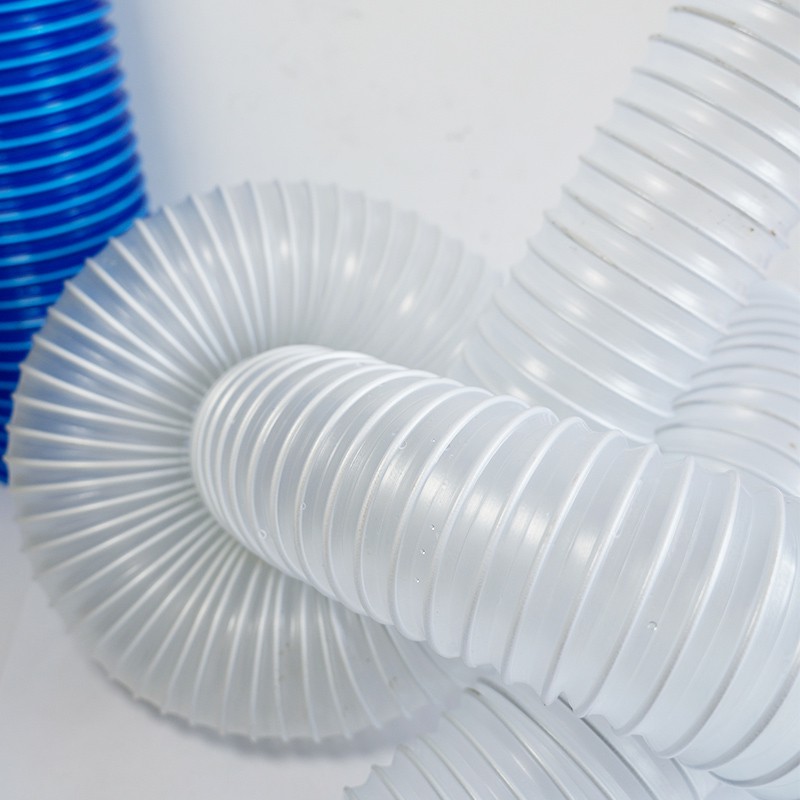
At our company, we offer a wide range of high-quality PVC air duct hoses to meet the diverse needs of our customers. Our Clear PVC Air Duct Hose is transparent, allowing you to easily monitor the airflow and detect any blockages. It's also flexible and lightweight, making it easy to install and maneuver. Our PVC Dust Collection Hose is specifically designed for dust collection applications. It's made of a durable PVC material that can withstand the abrasion and wear caused by dust and debris. Our PVC Air Duct Hose is suitable for a variety of ventilation and exhaust applications. It's available in different sizes and lengths to meet your specific requirements.
Conclusion
Sealing the joints of a PVC air duct hose is a crucial step in ensuring the efficiency and performance of your ventilation or exhaust system. By following the steps outlined in this blog and using the right materials and tools, you can create a strong and durable seal that will prevent air leakage and keep your system running smoothly. If you have any questions or need further assistance with sealing your PVC air duct hose, please don't hesitate to contact us. We're here to help you find the right solutions for your needs. Whether you're a DIY enthusiast or a professional installer, we can provide you with the high-quality products and expert advice you need to get the job done right.
References
- "PVC Air Duct Hose Installation Guide" - Industry Standard Handbook
- "Sealing Techniques for Plastic Materials" - Journal of Materials Science and Engineering