


Hey there! As a supplier of PVC Air Duct Hoses, I often get asked about how to connect multiple PVC air duct hoses together. It's a common question, especially for those who are setting up a ventilation system or need to extend the reach of their vacuum cleaner. In this blog post, I'll share some tips and methods on how to do it effectively.
Why Connect Multiple PVC Air Duct Hoses?
There are several reasons why you might want to connect multiple PVC air duct hoses. Maybe you need to cover a longer distance, or perhaps you're trying to create a more complex ventilation system. Whatever the reason, it's important to know how to do it properly to ensure a secure and airtight connection.
Tools and Materials You'll Need
Before you start connecting the hoses, you'll need a few tools and materials. Here's what you'll typically need:
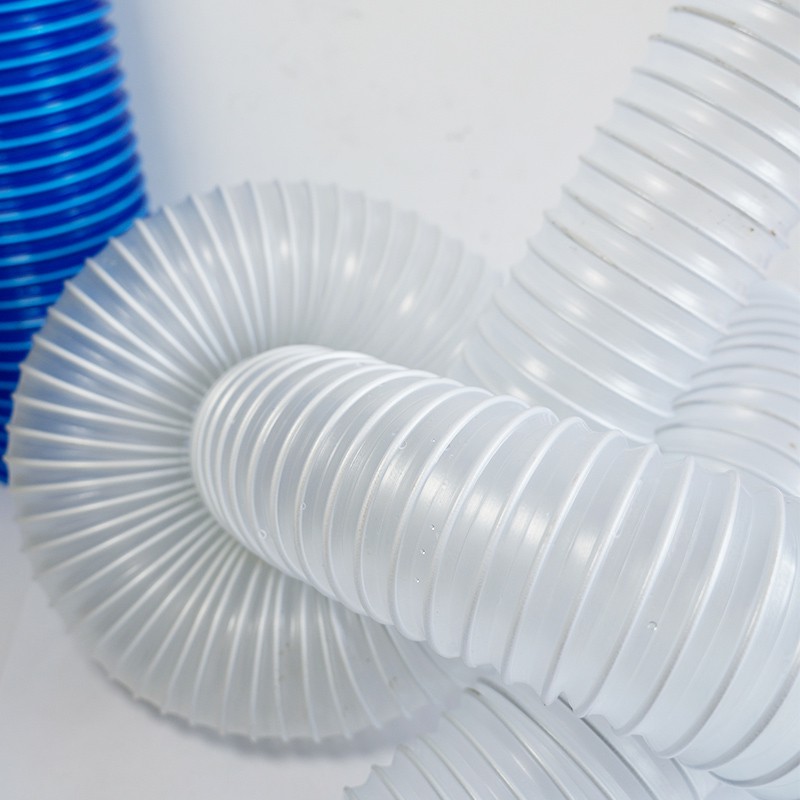
- PVC air duct hoses: Of course, you'll need the hoses themselves. Make sure they are the same diameter and type for a proper fit. You can check out our PVC Retractable Vacuum Hose, Clear PVC Air Duct Hose, and PVC Dust Collection Hose for different options.
- Hose clamps: These are essential for securing the connection between the hoses. You can find them at most hardware stores.
- Pipe cutter (optional): If you need to cut the hoses to the right length, a pipe cutter can be handy.
- Sealant (optional): To ensure an airtight connection, you might want to use a sealant. There are special sealants available for PVC hoses.
Methods of Connecting PVC Air Duct Hoses
There are a few different methods you can use to connect multiple PVC air duct hoses. Here are the most common ones:
Method 1: Using Hose Clamps
This is the simplest and most common method. Here's how you do it:
- Prepare the hoses: Make sure the ends of the hoses are clean and free of any debris. If the hoses are a bit stiff, you can try warming them up slightly to make them more flexible.
- Insert one hose into the other: Slide one end of a hose into the end of another hose. Make sure they fit snugly.
- Place the hose clamp: Position the hose clamp over the joint where the two hoses meet. Tighten the clamp using a screwdriver or a clamp tightening tool. Make sure the clamp is tight enough to hold the hoses together, but not so tight that it damages the hoses.
- Check the connection: Give the hoses a gentle tug to make sure the connection is secure. If there are any gaps or air leaks, you can try tightening the clamp a bit more.
Method 2: Using Couplers
Couplers are specially designed connectors that can be used to join two hoses together. Here's how to use them:
- Select the right coupler: Make sure the coupler is the same diameter as your hoses. You can find couplers at hardware stores or online.
- Prepare the hoses: Clean the ends of the hoses as before.
- Insert the hoses into the coupler: Slide one end of each hose into the opposite ends of the coupler. Make sure they fit all the way in.
- Secure the hoses with clamps: Place a hose clamp over each end of the coupler where it meets the hoses. Tighten the clamps to secure the connection.
- Check for leaks: As with the previous method, give the hoses a gentle tug and check for any air leaks.
Method 3: Using Adhesive or Sealant
This method provides a more permanent and airtight connection, but it's a bit more involved. Here's how it works:
- Clean and prepare the hoses: Thoroughly clean the ends of the hoses and roughen them slightly with sandpaper to help the adhesive bond better.
- Apply the adhesive or sealant: Follow the instructions on the adhesive or sealant product. Usually, you'll need to apply a thin layer to the ends of the hoses and the inside of the joint area.
- Join the hoses: Carefully slide one hose into the other and hold them in place for the recommended amount of time for the adhesive to set.
- Let it dry: Allow the adhesive or sealant to dry completely according to the product instructions. This may take a few hours or even overnight.
- Check the connection: Once the adhesive is dry, check the connection for any signs of leaks or weakness.
Tips for a Successful Connection
- Measure twice, cut once: If you need to cut the hoses to the right length, make sure you measure accurately to avoid wasting material.
- Use the right size clamps: Using clamps that are too small or too large can lead to a poor connection.
- Test the connection: Before you fully install the hoses in your system, test the connection by running some air through it to make sure there are no leaks.
- Be careful with the adhesive: Some adhesives can be messy and may require proper ventilation. Follow the safety instructions on the product.
Conclusion
Connecting multiple PVC air duct hoses doesn't have to be a difficult task. By following the methods and tips I've shared in this blog post, you can create a secure and airtight connection for your ventilation or vacuum system. Whether you're using hose clamps, couplers, or adhesive, make sure you take your time and do it right.
If you're in the market for high - quality PVC air duct hoses, we're here to help. We offer a wide range of PVC hoses, including PVC Retractable Vacuum Hose, Clear PVC Air Duct Hose, and PVC Dust Collection Hose. If you have any questions or are interested in purchasing our products, feel free to reach out for a purchase negotiation.

References
- "PVC Pipe and Fittings Installation Guide", General Pipe Cleaners
- "Hose Fitting and Connection Basics", Parker Hannifin Corporation