


Hey there! I'm a supplier of PVC Duct Hose, and I often get asked whether these hoses require any special maintenance. Well, let's dive right into it and find out.
First off, PVC duct hoses are pretty popular for a bunch of reasons. They're flexible, lightweight, and can handle a wide range of temperatures. You'll find them in all sorts of applications, from industrial settings to home workshops. Whether it's for ventilation, dust collection, or even fume extraction, PVC duct hoses get the job done.
Now, the good news is that PVC duct hoses generally don't need super - special maintenance. But that doesn't mean you can just ignore them completely. Like any other piece of equipment, a little care goes a long way in making sure they last and perform at their best.
Regular Inspections
One of the most basic yet crucial maintenance steps is regular inspections. You should take a look at your PVC duct hoses every now and then. Check for any visible signs of wear and tear, like cracks, holes, or fraying. These issues can start small but quickly turn into big problems if left unchecked.
For instance, a tiny crack might not seem like a big deal at first, but it can grow over time, leading to air leaks. And in a dust collection system using a PVC Dust Collection Hose, air leaks can seriously reduce the efficiency of the system. You'll end up with dust floating around instead of being properly collected.

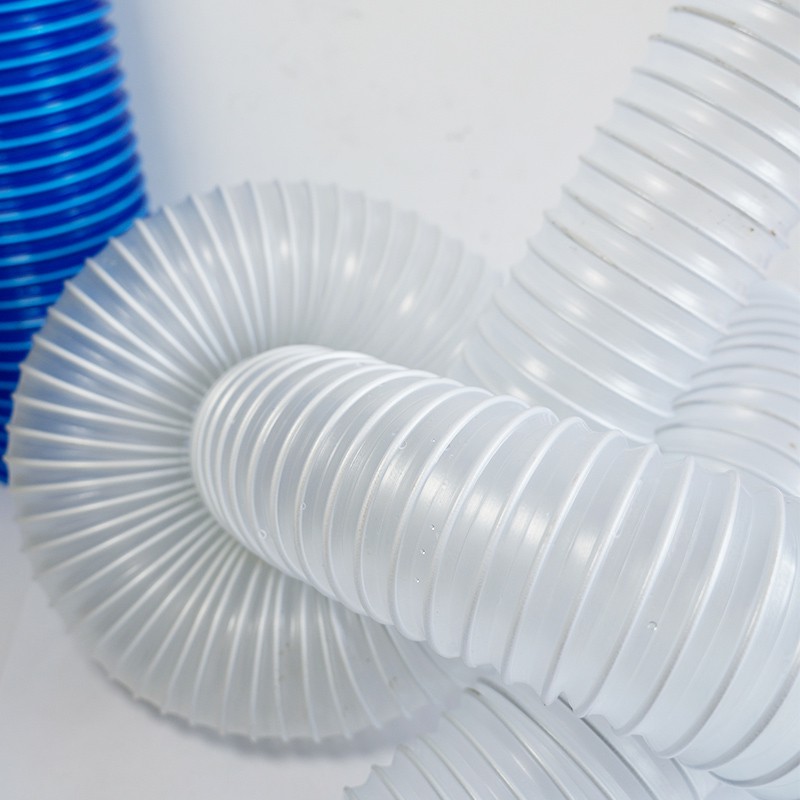
Inspecting the connections is also important. Make sure the hose is securely attached to the fittings. Loose connections can cause the same kind of air leakage problems, and they can even lead to the hose coming off completely in some cases.
Cleaning
Cleaning your PVC duct hoses is another key part of maintenance. Depending on what the hose is being used for, it can accumulate all sorts of debris. If it's a PVC Dust Removal Hose, it's going to get filled with dust and dirt.
For light cleaning, you can use a soft brush or a cloth to wipe down the outside of the hose. This helps remove any surface dust and keeps the hose looking good. But for the inside, it can be a bit trickier. If there's a lot of debris, you might need to use a vacuum cleaner with a long attachment to suck out as much as possible.
In some cases, you might even need to soak the hose in a mild soapy water solution. Just make sure to rinse it thoroughly afterward to get rid of any soap residue. Avoid using harsh chemicals, as they can damage the PVC material.
Storage
When you're not using the PVC duct hoses, proper storage is essential. You don't want to just throw them in a corner and forget about them. First of all, make sure the hoses are clean and dry before storing them. Moisture can lead to mold and mildew growth, which can weaken the PVC.
Coil the hoses neatly. Don't bend them too sharply, as this can cause kinks. Kinks can restrict the airflow and also put stress on the material, increasing the risk of cracks. If possible, store the hoses in a cool, dry place away from direct sunlight. Prolonged exposure to sunlight can cause the PVC to deteriorate over time.
Temperature and Environmental Considerations
PVC duct hoses have a certain temperature range within which they work best. Extreme temperatures can have a negative impact on the material. In very cold weather, PVC can become brittle and more prone to cracking. So, if you're using the hoses in a cold environment, you might want to take extra precautions. You could insulate the hoses or keep them in a warmer area when not in use.
On the other hand, high temperatures can cause the PVC to soften and lose its shape. If the hose is exposed to excessive heat for a long time, it might start to sag or even melt in extreme cases. Make sure to install the hoses away from heat sources like furnaces or hot pipes.
Pressure and Tension
Be mindful of the pressure and tension the hoses are under. If the system is operating at a higher pressure than the hose is rated for, it can cause the hose to burst. Always check the pressure ratings of the PVC duct hoses and make sure your system is within those limits.
Similarly, don't put too much tension on the hoses. If they're being pulled or stretched too hard, it can damage the material. Make sure the hoses are installed in a way that allows for natural movement without excessive stress.
When to Replace
Even with proper maintenance, PVC duct hoses won't last forever. There comes a time when you need to replace them. If you notice extensive damage that can't be repaired, like large holes or severe cracking, it's time for a new hose.
Also, if the hose has lost its flexibility and become stiff, it's a sign that the material has deteriorated. In a dust collection system, if you're still having problems with poor performance even after cleaning and checking for leaks, it could be that the hose is just too old and needs to be replaced.
So, to sum it up, while PVC duct hoses don't require super - fancy maintenance, they do need some attention. Regular inspections, cleaning, proper storage, and being aware of temperature and pressure conditions are all important. By taking these steps, you can ensure that your PVC duct hoses work well and last a long time.
If you're in the market for high - quality PVC duct hoses, whether it's a standard PVC Duct Hose, a PVC Dust Collection Hose, or a PVC Dust Removal Hose, I'd love to help. Just reach out, and we can start a conversation about your specific needs.
References
- General knowledge from years of experience in the PVC duct hose industry.
- Manufacturer guidelines for PVC duct hoses.