


As a supplier of PVC hoses, I often encounter inquiries from clients in the food - processing industries regarding the suitability of PVC hoses for their operations. This blog post aims to provide a comprehensive analysis of whether PVC hoses can be used in food - processing industries, taking into account various factors such as safety, regulations, and performance.
Safety Considerations
One of the primary concerns when using PVC hoses in food - processing is the safety of the materials. PVC, or polyvinyl chloride, is a synthetic plastic polymer. In its pure form, PVC is relatively stable. However, PVC hoses are often formulated with additives to enhance their flexibility, durability, and other properties.
Plasticizers are commonly added to PVC to make it more flexible. Phthalates, a type of plasticizer, have been a subject of significant concern in recent years. Some phthalates have been linked to potential health risks, including endocrine disruption. In the context of food - processing, the migration of phthalates from PVC hoses into food products is a major worry.
However, in response to these concerns, the industry has developed phthalate - free PVC hoses. These hoses use alternative plasticizers that are considered safe for food contact. For example, some manufacturers use adipates or citrate - based plasticizers, which have a lower risk of migration and are less likely to pose health hazards.
Another aspect of safety is the resistance of PVC hoses to microbial growth. In food - processing environments, where hygiene is of utmost importance, hoses need to be resistant to the growth of bacteria, molds, and yeasts. High - quality PVC hoses can be designed with smooth inner surfaces that minimize the adhesion of microorganisms. Additionally, some PVC hoses can be treated with antimicrobial agents to further reduce the risk of microbial contamination.
Regulatory Compliance
The use of PVC hoses in food - processing industries is strictly regulated by various national and international standards. In the United States, the Food and Drug Administration (FDA) has established guidelines for materials that come into contact with food. These guidelines specify the types of additives that can be used in PVC hoses and the allowable levels of migration of these substances into food.
In the European Union, the European Food Safety Authority (EFSA) and the EU Directive 2002/72/EC govern the use of plastic materials in contact with food. PVC hoses must comply with these regulations to be legally used in food - processing operations within the EU.
Meeting these regulatory requirements is crucial for both food - processing companies and PVC hose suppliers. As a supplier, we ensure that our PVC hoses are tested and certified to meet the relevant food - contact standards. This not only provides assurance to our customers but also helps to maintain the integrity of the food - processing industry as a whole.
Performance in Food - Processing
PVC hoses offer several performance advantages that make them attractive for food - processing applications. Firstly, they are highly flexible, which allows for easy installation and maneuverability in tight spaces. This flexibility is especially useful in food - processing equipment where hoses need to be routed around various components.
Secondly, PVC hoses have good chemical resistance. They can withstand exposure to a wide range of food - related substances, such as acids, alkalis, and oils. This makes them suitable for use in different stages of food - processing, from ingredient handling to cleaning operations.
However, PVC hoses also have some limitations. They may not be suitable for applications involving high - temperature food products. PVC has a relatively low heat - resistance compared to some other materials, such as silicone. Prolonged exposure to high temperatures can cause the PVC to soften, deform, or even release harmful substances. Therefore, for applications where high - temperature food products are involved, alternative hoses may need to be considered.
Types of PVC Hoses for Food - Processing
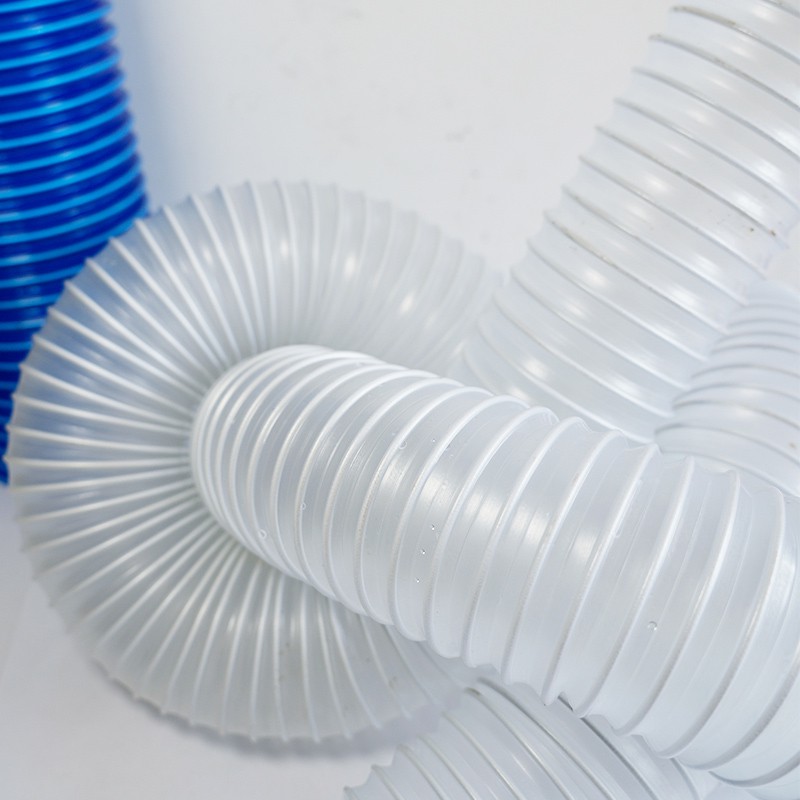
There are different types of PVC hoses that can be used in food - processing industries. Transparent PVC Hose is a popular choice as it allows for easy visual inspection of the food product flowing through the hose. This is particularly useful in applications where the quality and consistency of the food product need to be monitored in real - time.
PVC Dust Collection Hose can also be used in food - processing plants for collecting dust and debris generated during the processing operations. These hoses are designed to be durable and resistant to abrasion, ensuring a long service life in a relatively harsh environment.
PVC Exhaust Hose is used for venting steam, gases, and odors from food - processing equipment. They need to be able to withstand the pressure and temperature conditions associated with exhaust applications.
Conclusion
In conclusion, PVC hoses can be used in food - processing industries, provided that they meet the necessary safety and regulatory requirements. Phthalate - free formulations and proper design features can address the safety concerns associated with PVC. The flexibility and chemical resistance of PVC hoses make them suitable for many food - processing applications.
However, it is important to carefully consider the specific requirements of each food - processing operation. High - temperature applications may require alternative hose materials. As a PVC hose supplier, we are committed to providing our customers with high - quality hoses that are safe, compliant, and perform well in food - processing environments.
If you are in the food - processing industry and are considering using PVC hoses for your operations, we invite you to contact us for more information. Our team of experts can help you select the right type of PVC hose for your specific needs and ensure that it meets all the relevant standards. We look forward to the opportunity to discuss your requirements and engage in a fruitful procurement negotiation.

References
- Food and Drug Administration (FDA). Regulations for materials in contact with food.
- European Food Safety Authority (EFSA). Guidelines for plastic materials in contact with food.
- EU Directive 2002/72/EC on plastic materials and articles intended to come into contact with food.