


As a supplier of PVC hoses, I've received numerous inquiries about the suitability of PVC hoses for pool applications. This blog post aims to provide a comprehensive answer to this question, delving into the properties of PVC hoses, their advantages and limitations in pool settings, and important considerations for using them effectively.
Understanding PVC Hoses
PVC, or polyvinyl chloride, is a widely used thermoplastic polymer known for its versatility, durability, and cost - effectiveness. PVC hoses are manufactured by extruding PVC resin into a tubular shape, often with additional additives to enhance specific properties such as flexibility, strength, and resistance to environmental factors.
Properties of PVC Hoses
- Flexibility: PVC hoses are highly flexible, making them easy to maneuver around the pool area. This flexibility allows for convenient installation and adjustment, whether you're connecting a pool pump, a filter system, or a water feature.
- Chemical Resistance: PVC has good resistance to many chemicals commonly found in pool water, including chlorine, bromine, and pH adjusters. This resistance helps prevent the hose from deteriorating due to chemical exposure, ensuring a longer lifespan.
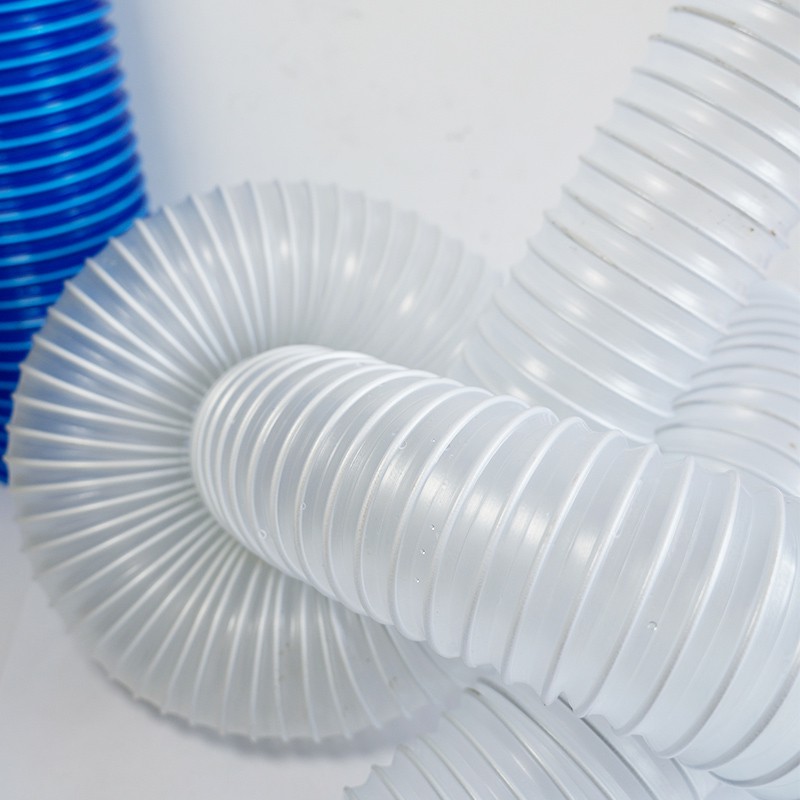
- Transparency: Some PVC hoses, like the Transparent PVC Hose, are available in a transparent form. This transparency can be useful for monitoring water flow, detecting blockages, or observing the presence of air bubbles in the system.
- Lightweight: PVC hoses are relatively lightweight compared to other types of hoses, such as rubber or metal hoses. This makes them easier to handle and transport, reducing the physical strain during installation and maintenance.
Advantages of Using PVC Hoses in Pool Applications
Cost - Effective Solution
One of the primary advantages of PVC hoses is their affordability. Compared to other materials, PVC hoses offer a cost - effective option for pool owners and operators. This is particularly beneficial for large - scale pool projects or for those on a tight budget.
Easy Installation
The flexibility and lightweight nature of PVC hoses make them extremely easy to install. They can be easily cut to the desired length using a sharp utility knife and connected to various pool components using standard fittings. This simplicity of installation can save both time and labor costs.
Compatibility with Pool Equipment
PVC hoses are compatible with most pool pumps, filters, and other equipment. They can be used for a variety of pool applications, including water intake, water discharge, and circulation. This compatibility ensures that you can integrate PVC hoses seamlessly into your existing pool system.
Resistance to Algae and Bacteria
PVC hoses have a smooth inner surface that resists the growth of algae and bacteria. This helps maintain the cleanliness of the pool water and reduces the risk of contamination. Additionally, the chemical resistance of PVC hoses ensures that they can withstand the harsh chemical environment of pool water without promoting the growth of harmful microorganisms.

Limitations of Using PVC Hoses in Pool Applications
Temperature Sensitivity
PVC hoses can be sensitive to extreme temperatures. In cold weather, they may become brittle and more prone to cracking. On the other hand, in high - temperature environments, PVC hoses may soften and lose their shape, which can affect their performance. It's important to choose PVC hoses that are rated for the temperature range of your pool environment.
UV Degradation
Exposure to sunlight can cause PVC hoses to degrade over time. Ultraviolet (UV) rays can break down the molecular structure of PVC, leading to discoloration, cracking, and loss of strength. To mitigate this issue, it's recommended to use PVC hoses that are UV - stabilized or to protect the hoses from direct sunlight.
Pressure Limitations
PVC hoses have certain pressure limitations. If the pressure in the pool system exceeds the rated pressure of the hose, it can lead to leaks, bursts, or other failures. It's crucial to select PVC hoses that are suitable for the pressure requirements of your pool equipment.
Considerations for Using PVC Hoses in Pool Applications
Selecting the Right Hose
When choosing a PVC hose for pool applications, consider the following factors:
- Size: Select the appropriate hose diameter based on the flow rate requirements of your pool system. A larger diameter hose can handle higher flow rates, while a smaller diameter hose may be sufficient for low - flow applications.
- Wall Thickness: Thicker - walled PVC hoses generally offer greater strength and durability. However, they may also be less flexible. Choose a wall thickness that balances strength and flexibility according to your specific needs.
- Rating: Look for PVC hoses that are specifically rated for pool applications. These hoses are designed to withstand the chemical and environmental conditions of pool water.
Installation and Maintenance
Proper installation and maintenance are essential for ensuring the longevity and performance of PVC hoses in pool applications.
- Installation: Follow the manufacturer's instructions carefully when installing the PVC hoses. Make sure to use the correct fittings and secure the connections tightly to prevent leaks.
- Maintenance: Regularly inspect the PVC hoses for signs of damage, such as cracks, leaks, or discoloration. Replace any damaged hoses immediately to avoid further problems. Additionally, clean the hoses periodically to remove any debris or buildup.
Safety Precautions
When using PVC hoses in pool applications, it's important to take the following safety precautions:
- Avoid Kinking: Kinking the hose can restrict the flow of water and cause damage to the hose. Make sure to lay the hose out in a straight line and avoid sharp bends or twists.
- Proper Venting: Ensure that the pool system is properly vented to prevent the buildup of air pressure in the hoses. Air pockets can cause damage to the hoses and affect the performance of the pool equipment.
Other Pool - Related Applications of PVC Hoses
Dust Removal and Collection
In addition to water - related pool applications, PVC hoses can also be used for dust removal and collection around the pool area. PVC Dust Removal Hose and PVC Dust Collection Hose are designed to handle the suction and transportation of dust and debris. These hoses can be connected to a vacuum cleaner or a dust collection system to keep the pool area clean and free of dust.
Conclusion
In conclusion, PVC hoses can be a viable option for pool applications, offering numerous advantages such as cost - effectiveness, easy installation, and compatibility with pool equipment. However, they also have some limitations, including temperature sensitivity, UV degradation, and pressure limitations. By selecting the right hose, following proper installation and maintenance procedures, and taking appropriate safety precautions, you can effectively use PVC hoses in your pool system.
If you're considering using PVC hoses for your pool project or have any questions about our products, we'd be more than happy to assist you. Feel free to contact us to discuss your specific requirements and explore the best PVC hose solutions for your pool.
References
- ASTM International. (Year). Standard Specification for PVC Hoses for Water Applications. Retrieved from [ASTM website].
- Manufacturer's product literature for PVC hoses.