


Hey there, fellow aquarium enthusiasts! As a PVC hose supplier, I often get asked whether PVC hoses can be used for aquariums. It's a valid question, and in this blog, I'll dive deep into this topic to give you all the information you need to make an informed decision.
What is PVC Hose?
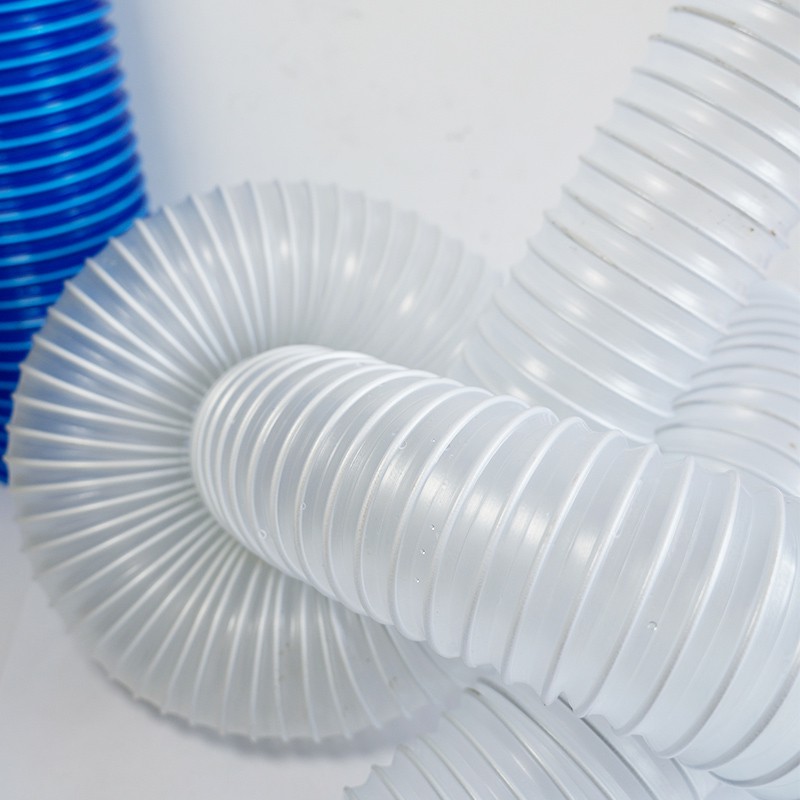
First things first, let's talk a bit about what PVC hose is. PVC, or polyvinyl chloride, is a type of plastic that's widely used in various industries because it's cheap, durable, and easy to manufacture. PVC hoses come in different shapes, sizes, and colors, and they're used for all sorts of things, from watering gardens to industrial applications.
You can check out some of our PVC hoses here: Clear PVC Air Duct Hose, PVC Retractable Vacuum Hose, and PVC Dust Collection Hose.
Pros of Using PVC Hose in Aquariums
Cost - Effective
One of the biggest advantages of using PVC hoses in aquariums is the cost. Compared to other types of hoses, like silicone or rubber hoses, PVC hoses are much more affordable. If you're on a tight budget and need a long length of hose for your aquarium setup, PVC can be a great option.
Durability
PVC hoses are pretty tough. They can withstand a fair amount of wear and tear, which is important in an aquarium environment. Whether it's being bent, twisted, or exposed to water for long periods, PVC hoses are less likely to break or develop leaks compared to some other materials.
Versatility
PVC hoses come in a wide range of sizes and thicknesses. This means you can choose the right hose for your specific aquarium needs. Whether you're setting up a small desktop aquarium or a large commercial tank, there's a PVC hose that will fit the bill.
Cons of Using PVC Hose in Aquariums
Chemical Leaching
The main concern when it comes to using PVC hoses in aquariums is the potential for chemical leaching. PVC is made with various additives, such as plasticizers, stabilizers, and colorants. Over time, these chemicals can leach into the water, which may be harmful to your fish and other aquatic life.
Some of the chemicals that can leach from PVC include phthalates, which are used as plasticizers to make the PVC more flexible. Phthalates have been linked to various health problems in humans and animals, and they can also disrupt the endocrine system of fish.
Stiffness
PVC hoses are generally stiffer than silicone or rubber hoses. This can make them a bit more difficult to work with, especially when you're trying to create bends or curves in your aquarium setup. The stiffness can also put more stress on the connections, increasing the risk of leaks.
How to Make PVC Hose Safe for Aquariums
Choose the Right Type of PVC
Not all PVC hoses are created equal. Look for hoses that are labeled as "food - grade" or "aquarium - safe." These hoses are made with fewer harmful additives and are less likely to leach chemicals into the water.
Pre - Soak the Hose
Before using a PVC hose in your aquarium, it's a good idea to pre - soak it in clean water for a few days. Change the water regularly during this time to remove any loose chemicals that may leach out. This can significantly reduce the amount of chemicals that will end up in your aquarium water.

Inspect the Hose Regularly
Once you've installed the PVC hose in your aquarium, keep an eye on it. Look for any signs of damage, such as cracks, leaks, or discoloration. If you notice any problems, replace the hose immediately.
Alternatives to PVC Hose in Aquariums
Silicone Hose
Silicone hoses are a popular alternative to PVC hoses in aquariums. They're flexible, non - toxic, and resistant to high temperatures. Silicone hoses are also less likely to leach chemicals into the water, making them a safer choice for your fish.
Rubber Hose
Rubber hoses are another option. They're soft and easy to work with, and they can provide a good seal at the connections. However, like PVC, some rubber hoses may contain additives that can leach into the water, so it's important to choose a high - quality, aquarium - safe rubber hose.
Conclusion
So, can PVC hose be used for aquariums? The answer is yes, but with some precautions. While PVC hoses offer cost - effectiveness and durability, the potential for chemical leaching is a concern. By choosing the right type of PVC, pre - soaking the hose, and inspecting it regularly, you can minimize the risks and use PVC hoses safely in your aquarium.
If you're still unsure or have any questions about using PVC hoses in your aquarium, don't hesitate to reach out. We're here to help you make the best choice for your aquarium setup. Whether you're a beginner or an experienced aquarist, we've got the knowledge and the products to meet your needs. Contact us to discuss your requirements and start a procurement conversation.
References
- "Plastic Additives and Their Effects on Aquatic Life." Environmental Science Journal, 2018.
- "Comparative Study of Different Hose Materials for Aquarium Use." Aquatic Research Magazine, 2020.